
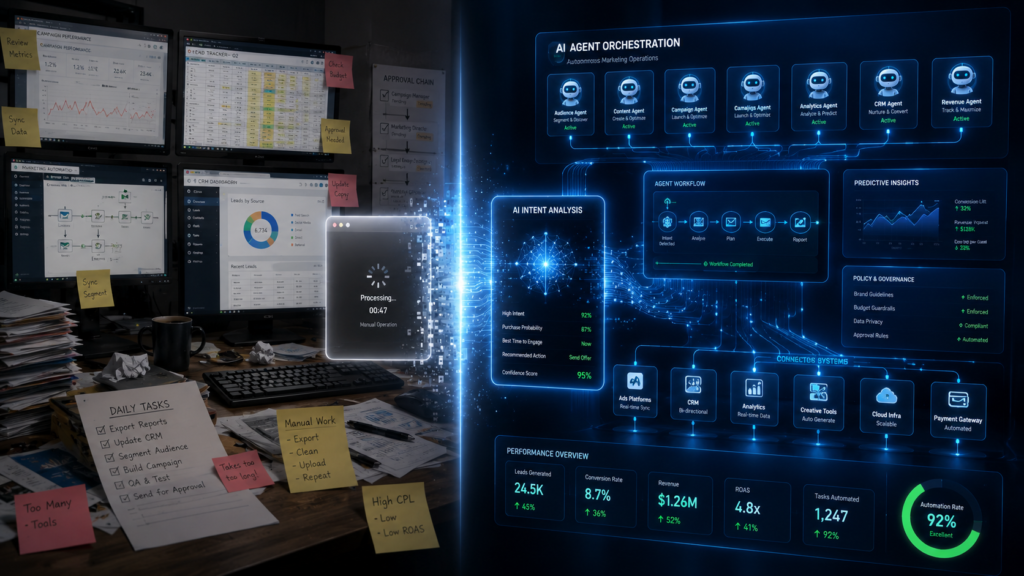
For years, B2B and local service marketing managers have settled for a frustrating compromise: measuring success based on call duration a crude metric that barely hints at lead quality.
Google’s shift toward using Artificial Intelligence to analyze call content in real-time is more than just a technical upgrade; it is a move that renders manual QA obsolete. The ability to perform conversion tracking based on actual purchase intent, rather than “seconds on the line,” fundamentally changes the mechanics of high-volume lead generation.
This shift forces marketing teams to stop managing superficial engagement metrics and start managing intent-based conversion events. It is a paradigm shift where raw data transforms into business insights without human intervention, compelling organizations to update their entire value chain from campaign optimization settings to corporate CRM data structures.
From Raw Duration to Automated Intent Classification: The core of this change lies in replacing proxy metrics with high-quality real-time data. Instead of assuming a three-minute call is a “good lead,” Google’s AI analyzes the recording to identify whether the customer expressed a readiness to purchase or requested a quote. This allows advertisers to stop wasting energy on manual call analysis and focus solely on the quality of the business interaction.
Google Ads: Bidding Strategies Driven by Lead Maturity Advertisers must stop using general calls as their primary optimization signal. Instead, they should define Bidding Strategies that focus exclusively on calls classified by AI as “high intent.” Automated systems, including Performance Max, will now receive much more accurate feedback, allowing them to funnel budgets toward sources that generate buyers rather than just “callers.” PPC teams must abandon old optimization rules based on call time and restructure campaigns around these new AI-driven events. Sales Operations: Restructuring Lead Routing and Priorities.
Operations and sales departments can stop routing every incoming call to senior representatives equally. Using Google’s signals, a new workflow can be established: leads classified as “high intent” are fast-tracked (High-touch), while calls identified as preliminary inquiries are directed to automated nurturing sequences via email or SMS. Information systems managers must update CRM fields to capture AI rankings and set new SLAs based on predicted lead quality.
Analytics: Shifting Attribution from Quantity to Quality Analysts need to stop treating every call-generating channel as equally profitable. Implementing AI-based conversions allows for an upgraded Attribution model that credits only those channels delivering calls with “confirmed intent.” This move is likely to reveal that certain channels—which previously appeared effective at producing cheap leads—are actually generating a high volume of commercially worthless noise, thereby shifting the organization’s media investment map.
Creative: Testing Messaging Based on Call Quality Creative and content teams should stop measuring the success of ads or landing pages by CTR or raw call volume alone. The new KPIs should be the “Quality Conversion Rate per Ad.” If a specific headline attracts many callers but the AI classifies them as lacking intent, the creative has failed. The A/B testing process becomes significantly deeper, as AI feedback clarifies which messaging attracts the precise buyer rather than the merely curious.
Practical Steps for Implementing Intent-Based Measurement: Redefine Conversion Goals: Stop using time-based calls and set “AI-qualified call” as the primary conversion event in your Google Ads account. Two-Way Data Integration: Connect Google’s quality signals to Lead Scoring fields in your CRM to enable synchronization between marketing and sales.
Perform an Initial “Algorithm Audit”: Conduct a sample comparison of AI classifications against actual sales closures to ensure system definitions align with your unique business needs.
Update Media Budgets: Shift budgets from campaigns that generate “noise” (many low-quality calls) to campaigns demonstrating high efficiency in Quality Cost Per Lead (Quality CPL).
Re-skill the QA Team: Transition staff previously tasked with manual call listening to manage exceptions and optimize call scripts based on AI insights.
Commercial Significance: Survival in an Agent-Based Ecosystem Organizations that continue to use superficial metrics will find themselves at a disadvantage against algorithms that require high-quality signals to learn. When AI agents and automated bidding receive incorrect or incomplete data, they optimize for quantity over quality, leading to rapid depletion of marketing budgets. The transition to intent measurement is essential for businesses relying on phone calls as a central part of their funnel, especially in a world where competitors are already using AI to filter out noise and reach ready-to-buy customers directly.
The Management Decision: Trusting the Machine as a Business Filter The primary challenge facing CMOs today is not technological, but managerial: are you willing to relinquish manual control over lead quality and give AI the keys to budget optimization? Teams that successfully adopt AI as an initial filter will reduce the manpower invested in operations and redirect it toward strategy and growth.